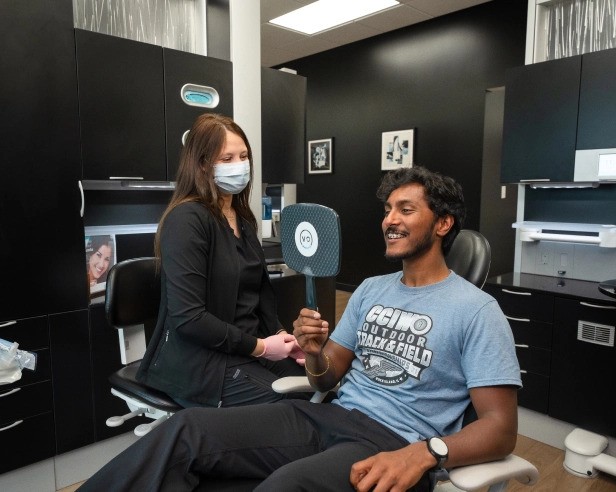
Understanding the Benefits of Orthodontic Treatment
Orthodontic treatment offers numerous benefits beyond just improving the aesthetics of your smile. Proper alignment of teeth can enhance oral health by making it easier to clean teeth, reducing the risk of cavities and gum disease. Additionally, a well-aligned bite can alleviate discomfort and prevent jaw issues.
For instance, patients who undergo orthodontic treatment often experience improved chewing function and reduced strain on their jaw muscles. Studies have shown that individuals with straight teeth are more likely to maintain better oral hygiene, leading to long-term dental health and overall well-being.
Types of Orthodontic Appliances
Orthodontic appliances are essential tools used in the treatment process, each designed to address specific dental issues. The most common types include traditional metal braces, ceramic braces, lingual braces, and clear aligners, each varying in appearance and functionality.
For example, clear aligners are popular for their discreet nature, allowing patients to straighten their teeth without the visibility of traditional braces. Conversely, metal braces are highly effective for complex cases, providing precise adjustments to achieve optimal results. Understanding the differences can help patients choose the right option for their needs.
What to Expect During Your First Orthodontic Visit
Your first visit to an orthodontist is a crucial step in your treatment journey. During this appointment, the orthodontist will conduct a comprehensive evaluation of your teeth, jaws, and facial structure to determine the best course of action. This may include X-rays, photographs, and impressions of your teeth.
Additionally, you will have the opportunity to discuss your goals and concerns regarding treatment. The orthodontist will explain the various options available, timelines, and what to expect throughout the process, ensuring that you feel informed and comfortable with your treatment plan.
Maintaining Oral Hygiene with Braces
Maintaining proper oral hygiene is essential for patients with braces to ensure successful treatment and prevent dental issues. Brushing and flossing can be more challenging with braces, but with the right techniques and tools, it can be effectively managed.
Orthodontists often recommend using special cleaning devices, such as interdental brushes and floss threaders, to help clean around brackets and wires. Regular dental check-ups are also crucial, as they allow for professional cleaning and monitoring of oral health during the treatment process.